back Designs Virtual Yarns

Birds
Birds

Golden EagleAlthough they are relatively small, the islands of the Outer Hebrides provide diverse habitats for a wide range of birdlife. The rugged coastal cliffs; the moorlands, and the strips of sandy grassland known as machair, each attract many different types of birds. Most are summer residents which come to breed. These visitors relish the remoteness, the sparse human population and the long hours of summer daylight. The deep winter days are correspondingly dark, but despite having the latitude of Anchorage, Alaska, the Hebrides are warmed by the waters of the Gulf Stream and so the temperature rarely drops below freezing point. Bad winter weather usually means gales and rain, which visitors from Scandinavia - like the Redwing - do not seem to mind. Then there are year-round residents which range from the Golden Eagles in the mountain fastnesses of Harris, to the Blackbirds and Thrushes in the gardens of Stornoway. It is impossible to go out for a walk at any time of year without encountering some kind of bird life, and the more distinctive cries become quickly recognisable to anyone who spends any time here.

The visiting birds usher in the seasons. The little Wheatears, all the way from the plains of Africa, are a welcome sign that summer is on the way, as are the Arctic Terns which circumnavigate the globe. The first flash of mellow colours from a flock of Redwings in from Norway or Iceland is the sure sign that summer is over and it is time to batten down the hatches once again.

Such predictability is sometimes balanced by the unusual. Accompanied by visitors keen to catch sight of the famous Golden Eagle, I once trekked up mountain paths to places where they can always be found, only to draw a complete blank. The following week, with the visitors back home on the mainland, I drove past a Golden Eagle sitting on a telegraph pole beside a flat moorland road. Then there are the "exotics" which sometimes stray in from North America, such as the single Steller's Eider that spent several years at sea amongst its Hebridean cousins.

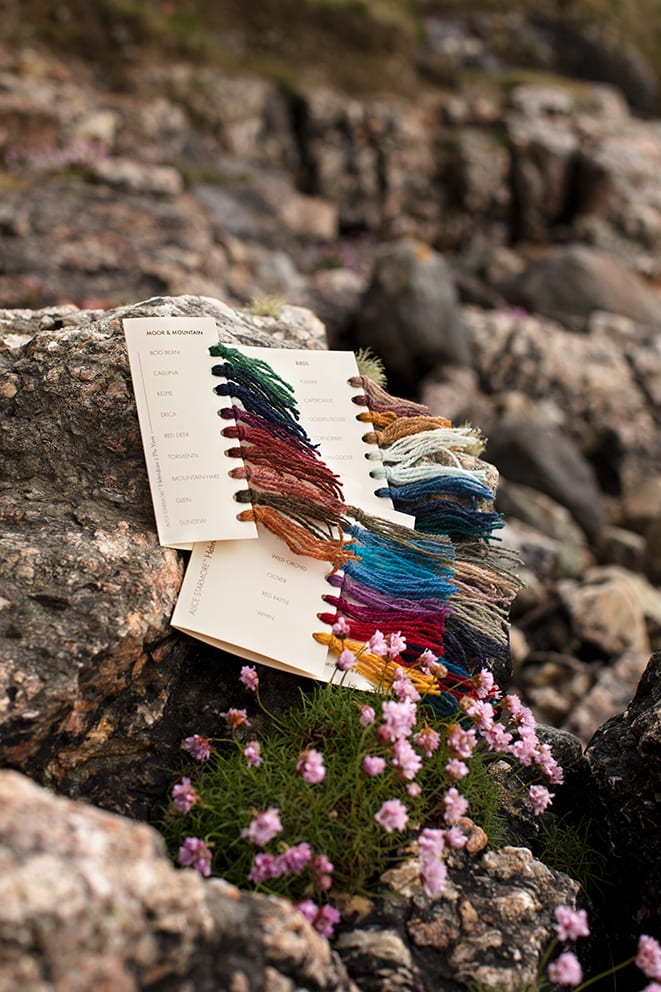
Because they are so much a part of the island it is impossible to have a Hebridean yarn range which does not include at least some of these species. There are an amazing range of avian colours, and different plumages can reveal some very unusual and unexpected shades. Here are nine of them, each with their own special character.


Golden Plover
Golden Plover

GOLDEN PLOVER

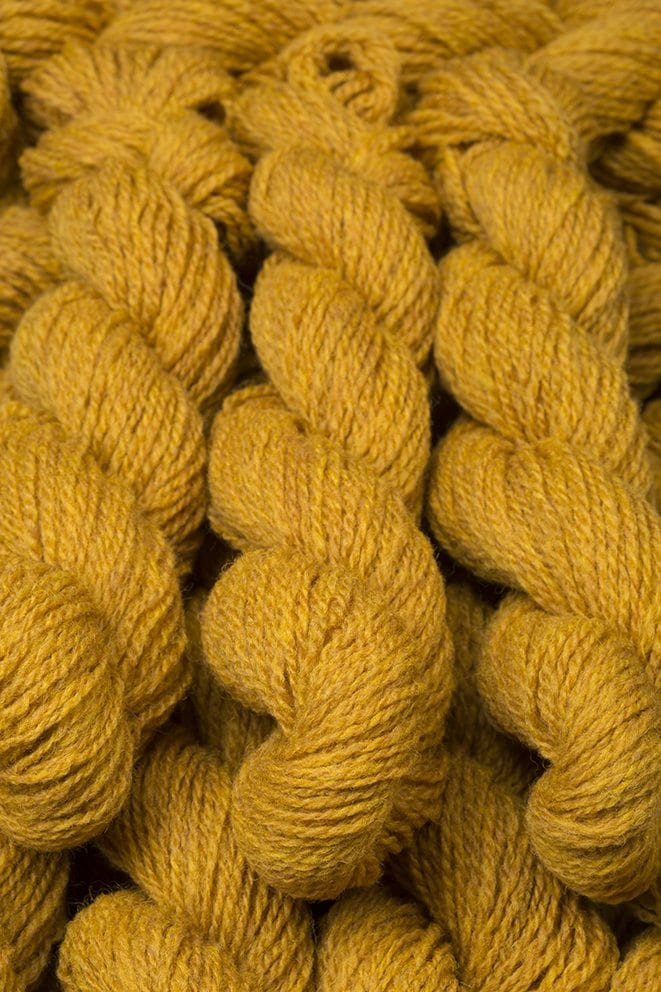
Golden PloverEvery spring flocks of Golden Plovers leave France and the South of England and travel northwards in search of a summer home. As the Hebridean landscape is so perfectly suited to them there are always Golden Plovers to be seen in the summer. The crofts and shoreline hold plenty of beetles, slugs and molluscs for them to feast on, and in the height of summer - when night consists of one or two hours of dusk - they can feed all night. Once they are sufficiently plump they retire to the moorlands where they make nests among the lichen and heather. They will remain on the islands all through the summer until their young have grown strong enough to travel. Our shade emulates the distinctive summer plumage which they wear while on the islands. Their normally grey and white feathers develop a deep gold wash over their backs and wings, giving the impression that they have been dipped in liquid gold. Not only are they beautiful but they are also very tuneful to the ear and their mellifluous, unusual piping song has earned them the nickname of Whistling Plover. Old legend gives them a rather darker purpose than merely singing. It was said that there are only six Golden Plovers but they are constantly moving, searching for their brother - who was separated from them in an unspecified incident - and when they finally find him they will herald the end of the world. Judging from the amount to be seen on the Lewis moors every summer, it would seem that they changed their minds.

For our shade we have blended many deep, earthy golds, which marl together to give a lustrous glow.


Solan Goose
Solan Goose

SOLAN GOOSE

Solan GooseOne form of life which finds the more isolated rocks of the Hebrides a highly agreeable home is the Solan Goose, otherwise known as the Gannet. The female bird lays only one egg a year, and the chick then takes five years to reach breeding age. Despite this some colonies have managed to grow to over 70,000 pairs which manage to consume about 100 tons of fish daily. One of their main predators in the past has been the human race. Hungry islanders, usually under the threat of imminent starvation, would make perilous raids on their cliffside roosts in order to take eggs and young gannets. Better times led to the decline of the practice, but one community has kept up the tradition. The villagers of Ness in north Lewis take boats once a year to the uninhabited islands of North Rona and Sula Sgeir, which are both major Gannet colonies. They return with both birds and eggs, which are then shared with friends and relatives. The cooked bird is know in Gaelic as a guga, and is regarded as a delicacy. Fortunately, this yearly visitation does not seem to do any lasting damage to the colony as a whole, as can be seen by the numbers visible from the Butt of Lewis.

To watch these birds feeding is a spectacular sight, as they can dive from more than 100 feet straight into the water. At the very last second they fold their wings and strike the surface like an arrowhead, before streaking great distances underwater in a trail of white and gold, followed by silver bubbles.

By the time the Solan Goose reaches adulthood it sports a pale gold head with a startlingly blue eye, atop a creamy body. Our Solan Goose combines these different shades to create an unusual and delicate colour. The base is a rich cream streaked and speckled with honey, gold and clear blue.


Corncrake
Corncrake

CORNCRAKE

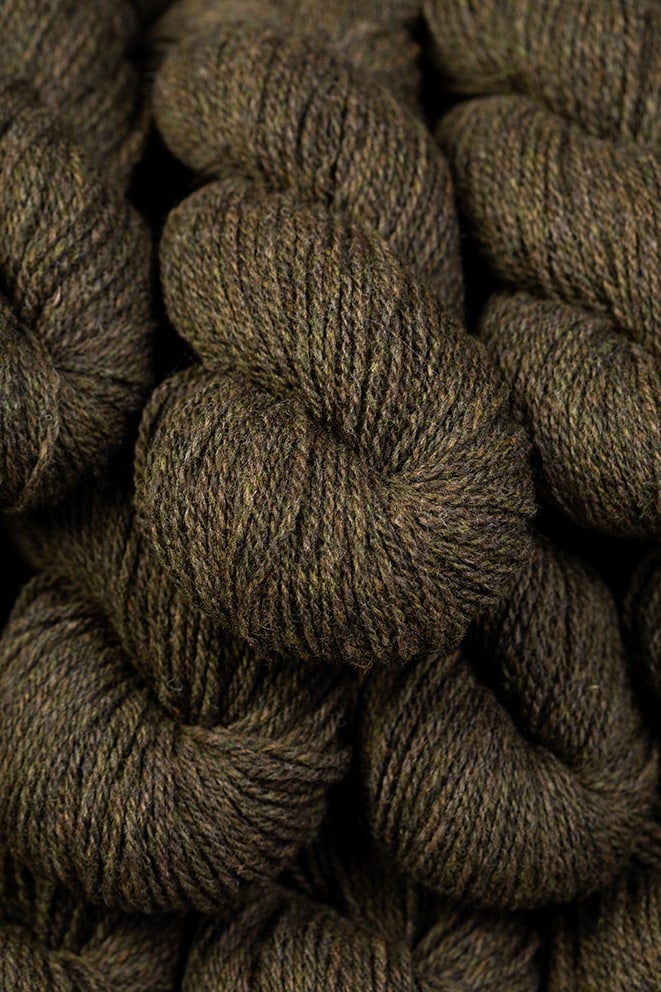
CorncrakeNot so very long ago, as late as the 1960s, the summer nights on the Isle of Lewis were often hard to sleep through. It is possible to adjust to the almost twenty-four hours of daylight, but the loud rasping calls of hundreds of Corncrakes kept awake all but the heaviest sleepers. These birds once made their summer homes across all of Britain, taking part of their name from their favourite nesting place of the corn fields. The "crake" refers to their rather strangulated cry which was familiar to anyone who lived in the countryside. Sadly this is no longer the case, for modern farming methods do not provide the Corncrake with a nesting place, and over the years the birds have become an endangered species. The Corncrake population is now confined to the Outer Hebrides, and even here the decline of traditional crofting methods has seen the planting of corn and oats drastically reduced, thus depriving the bird of its preferred habitat. Ironically, bad agricultural practise has made up for it in a small way. Overgrazing by sheep can give rise to the spectacular growth of a weed known as the soft rush - disastrous for pasture, but a reasonable habitat for the occasional Corncrake. Although they can crake the entire night away, they are seen rarely. I have heard many over the years but have only ever seen two. They skulk away through the rushes, and you have to almost tread on one before it takes to the air and flaps off with its legs trailing.

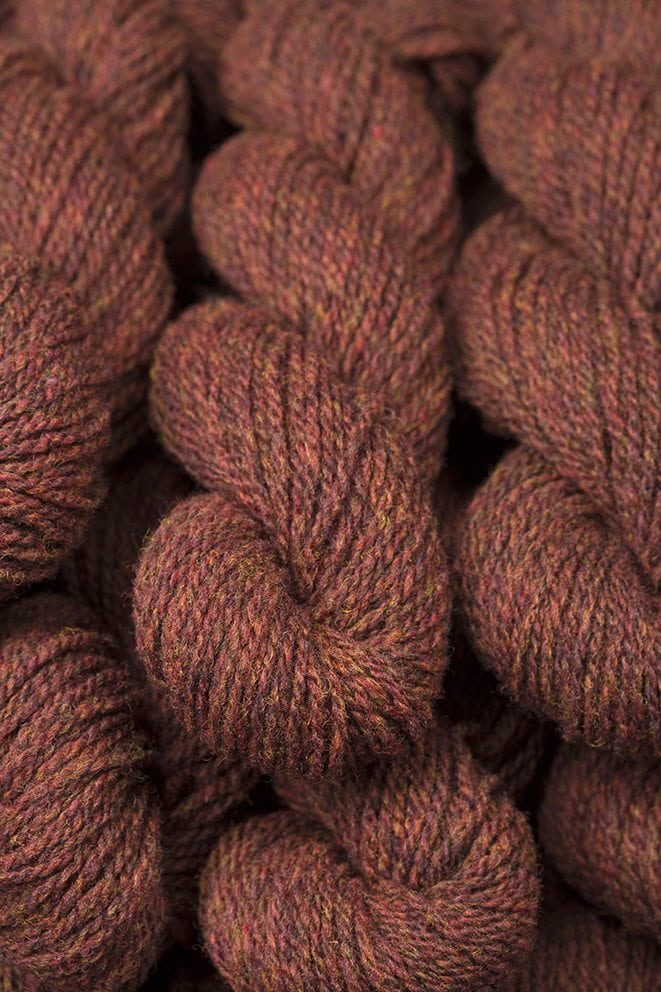
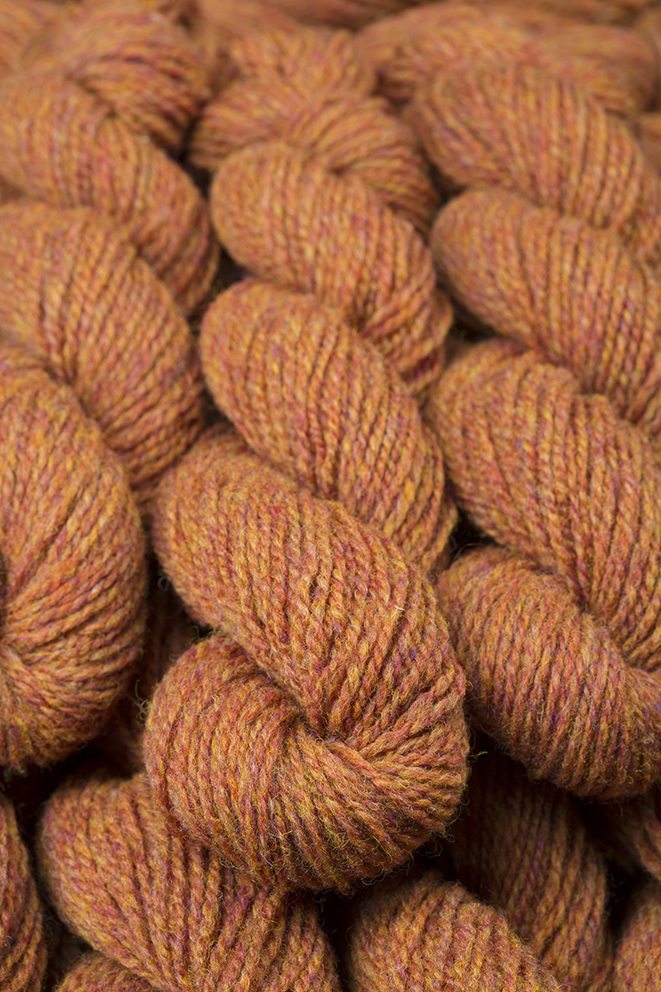
The birds also face other man made dangers - they are weak and clumsy at flying and have an unfortunate tendency to fly at the same altitude as overhead power lines. This often results in fatalities, especially at night. Their main talent lies in their ability to vanish even in the lightest of cover. Their amazing plumage combines creams, golds, russets, greens, and browns which blend perfectly with rough grassland. The chicks start their lives jet black, their colour changing as they grow towards adulthood. Our Corncrake colour is a mix of light golden browns and bronze, flecked with greens and reds, and with occasional hints of darker tones. This creates an effect as unusual as the birds themselves. Unlike the birds however, this is not a colour for those who want camouflage. In a human environment it is an instant attention grabber.


Lapwing
Lapwing

LAPWING

LapwingThe Lapwing is obviously one of the braver types of bird as it remains in the Hebridean Isles throughout the winter instead of migrating to warmer climates like many fainter-hearted species. This very attractive bird, with its green wings and long, dark, distinctive crest, is not slow to make its presence felt. Anyone venturing near a Lapwing nest will be greeted with loud cries and a slew of furiously circling birds, which has led to their alias of Peesie-Weep in imitation of their cry. This has also given them the name of Peewit, and they are sometimes called the Green Plover. When not breeding they are quite friendly, and will watch you walk by as if they knew you personally.

They seem adapted to living life dangerously, and their offspring can run from an attacked nest almost immediately after birth. They are also impressed by risky flying and the male has an acrobatic display flight which it uses to attract a mate rather than the more conventional nest-building technique favoured by many birds. Feeding during the winter months is difficult and some do not survive. Those who do can be seen celebrating at the beginning of every spring.

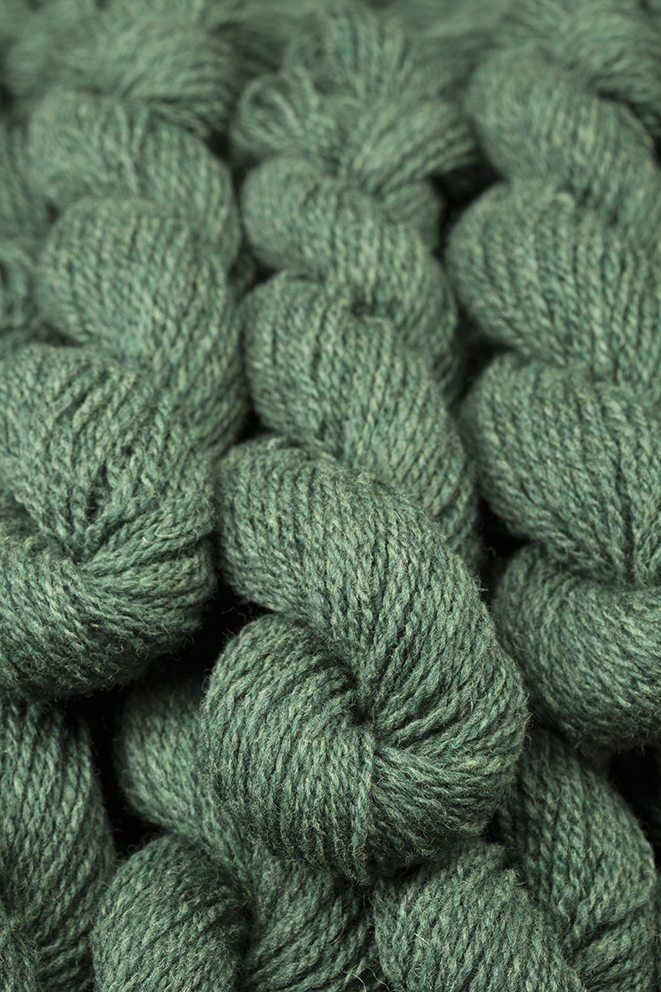
The cry of the Lapwing resonates through Scottish literature. Those familiar with the novels of Lewis Grassic Gibbon will know of its east coast name of "Peesie" and will also know how its mournful call echoes through Sunset Song and Cloud Howe. The daring green plumage of the Lapwing - brightest in the centre, darkening towards the wings - is captured in this mix of emerald greens with hints of blue.


Capercaillie
Capercaillie

CAPERCAILLIE

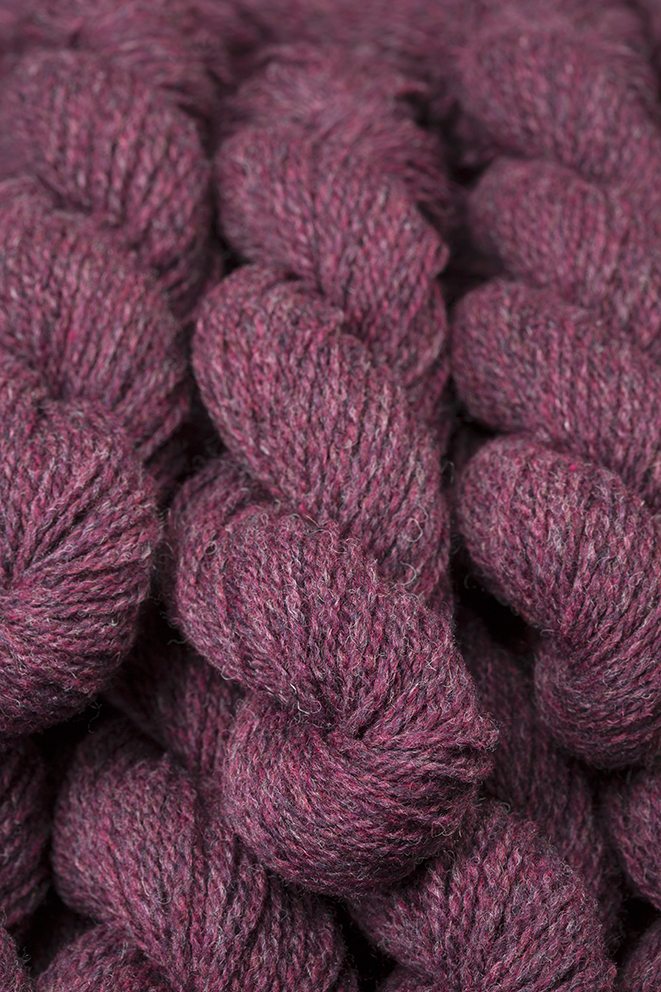
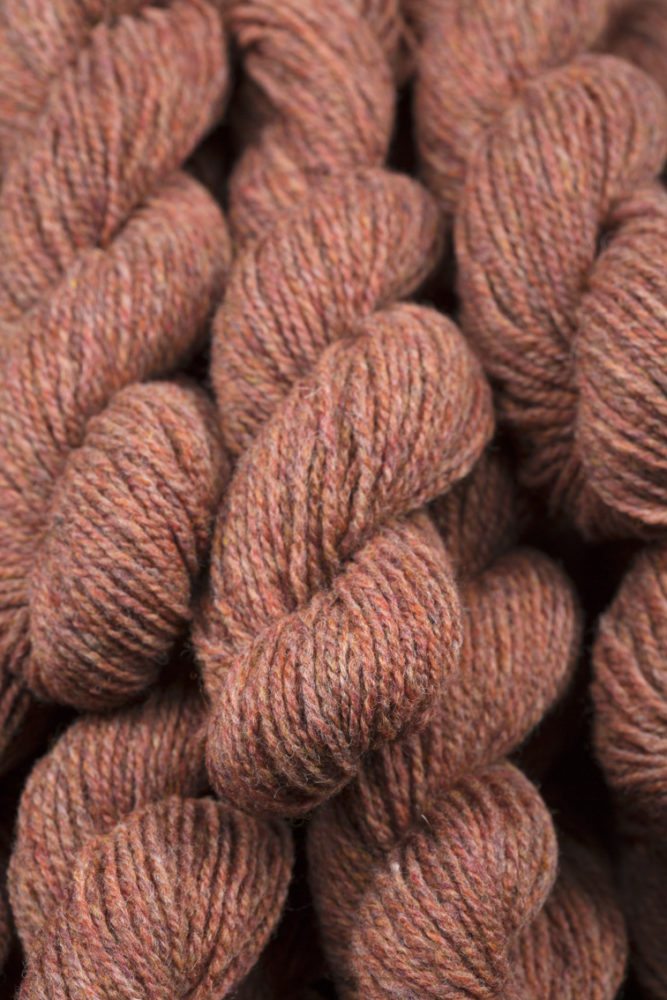
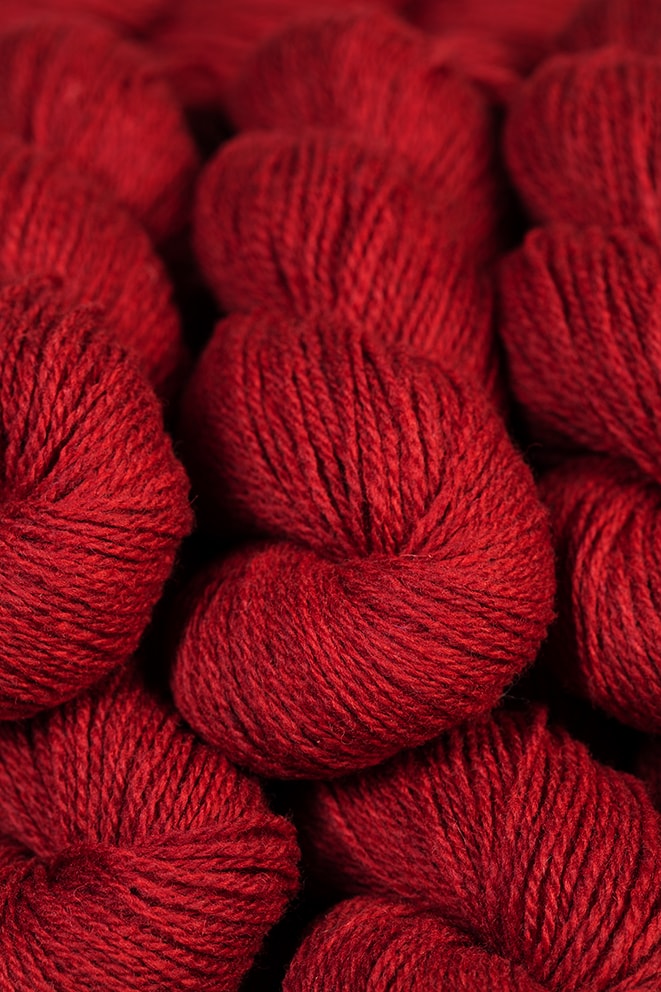
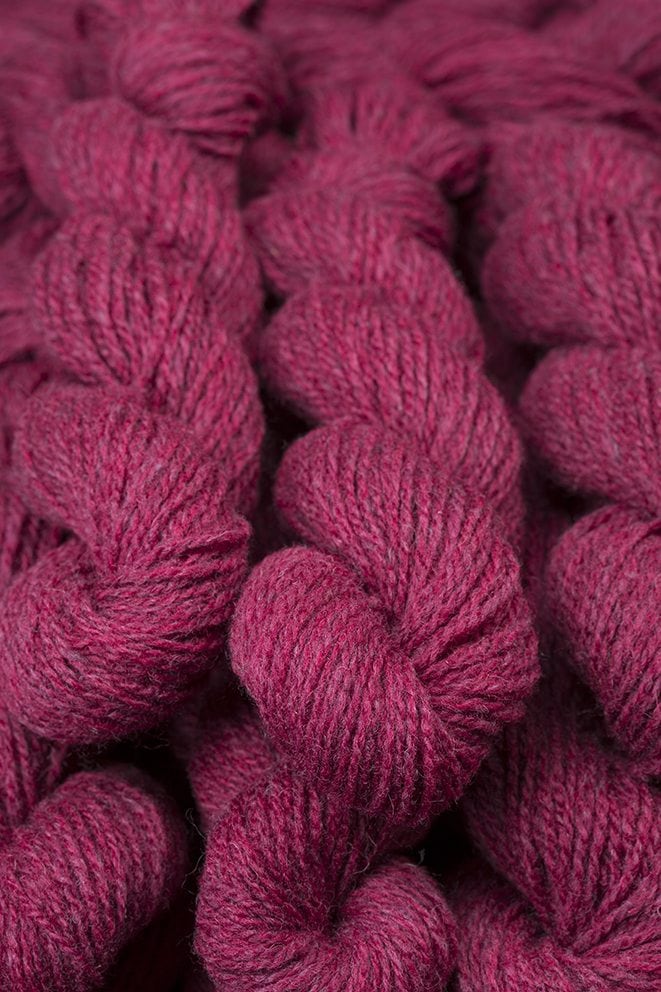
CapercaillieThe female Capercaille is designed to blend perfectly with her favoured habitat of the forest floor. The male on the other hand cuts a striking figure that is hard to ignore. When excited the male swells out his body, fans his peacock-like tail and makes clopping, popping and wheezing noises. As if that were not enough, they stop for brief intervals in order to leap three feet into the air. When irate, the male Capercaillie is best avoided, for they will attack any intruder regardless of size, including - much to their own detriment - moving vehicles. The Hebridean Capercaille lives in the few wooded areas of the islands and is hunted quite regularly. This habit had serious repercussions for the Capercaille in the past when the Scottish bird became extinct in the eighteenth century. The birds now resident are the descendants of the Swedish Capercaille which were introduced in 1837, and care is taken to make sure their numbers do not fall again. The arresting plumage of the male seems to employ a whole rainbow of colour to great effect. For this shade we have used the soft dusky carmine of the wing tips as a base. We then threaded it through with hints of gold, blue, orange and green to make a colour not only reminiscent of the Capercaille but also of its wooded Highland habitat.


Storm Petrel
Storm Petrel

STORM PETREL

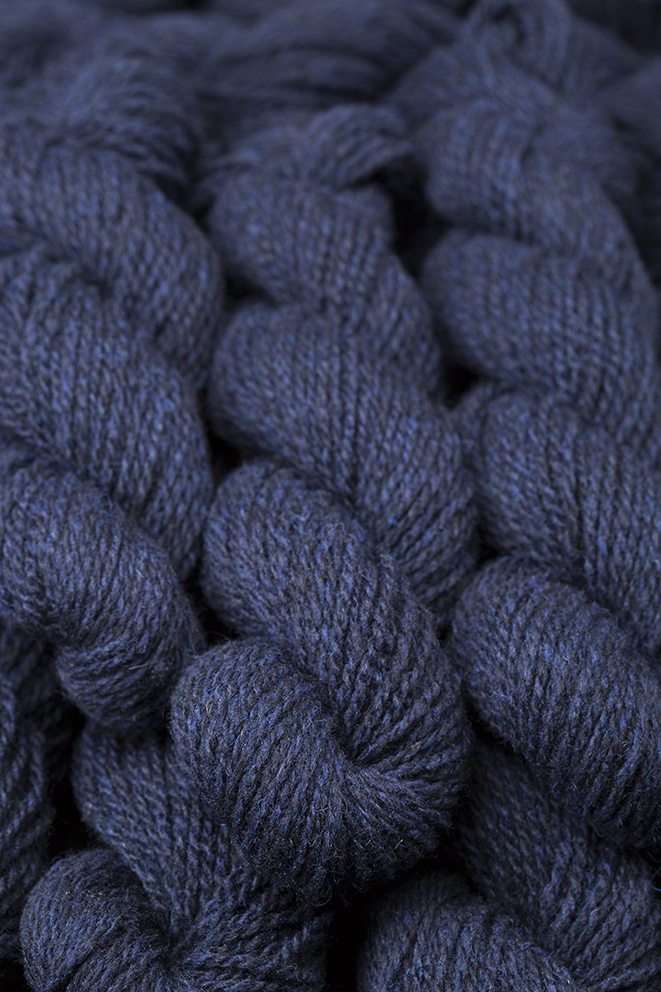
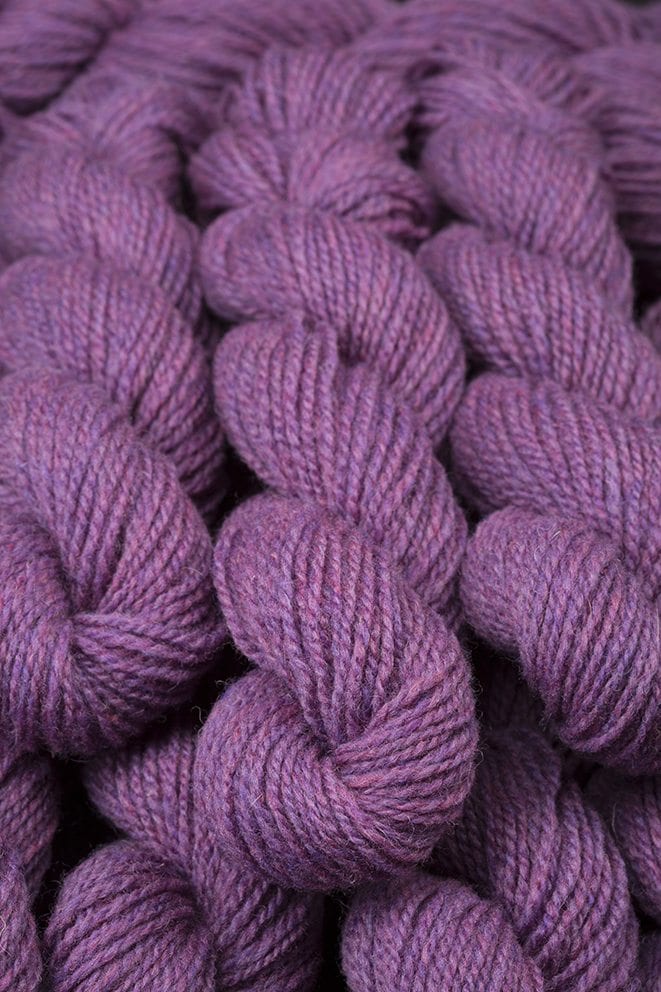
Storm PetrelThe Storm Petrel is regarded as a mysterious bird and many legends have sprung up around it, probably due to its rather unusual habits. They do not have a great many colonies and they are all in remote areas, such as the Flannan Isles which are just off the west coast of the Isle of Lewis. They spend most of their time at sea and are only seen while crossing the Minch, although dead or exhausted birds can be found on the coasts after gales. In desperation they sometimes land on fishing boats and it is perhaps because of this that one particular story grew up around them. If a mariner died at sea or someone was drowned and their body not recovered for burial (not an unusual occurrence when the fishing trade was at its height), then their soul would rise out of the water and turn into a Storm Petrel, or Waterwitch as they are known in the Hebrides. They are also known as Little Peter as they drop their legs down whilst flying low over water, like Peter trying to walk on the Sea of Galilee. Whatever the truth about these mysterious birds, it cannot be denied that they are very at home in the waters of the Minch. We have used a myriad of smoky blues, which we then combined with hints of purples, reds and turquoise to create a daring and mysterious colour that echoes stormy western seas.


Kittiwake
Kittiwake

KITTIWAKE

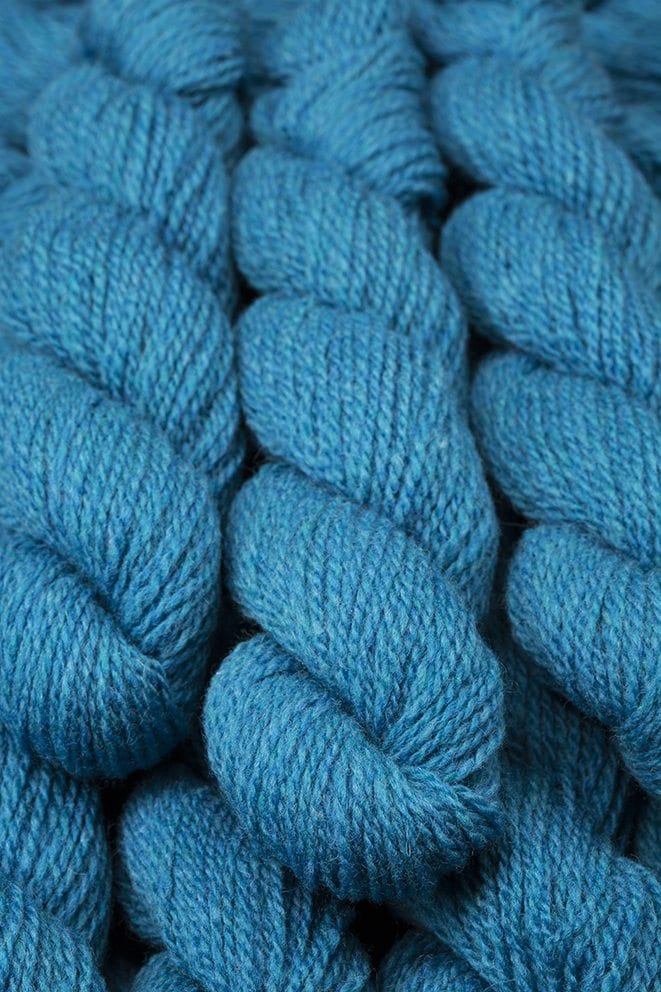
KittiwakeMembers of the gull family are generally regarded as scavengers and pests, but this is not the case with the Kittiwake. These birds are happiest perched on the narrow ledges of treacherous cliffs with the ocean at their feet, far away from all but the most adventurous humans. It is not surprising that they prefer to be safely away from human habitation after the severe depletion of their numbers due to a phase of shooting and nest plundering in the nineteenth century. Now this fashion has passed they have recovered their numbers all around the British coasts. The Hebridean cliffs are a favourite place for Kittiwakes. They are so successful in their chosen habitat that they have lost their hind toe from spending so little time on land, and they even use seaweed for their nests. Unfortunately for birdwatchers, it is increasingly difficult to catch a glimpse of these very pretty birds without plummeting seawards down a sheer rock face, so the greatest of caution has to be exercised. The Kittiwake - in keeping with its character - is one of the shyest and most delicate looking of the gull family, with its soft blue-grey back and white head and underbelly. Our Kittiwake shade uses a base colour of the clearest blues mixed with hints of creamy white and grey -and then a dash of gold for the bright bill which the adult bird develops.


Fulmar
Fulmar

FULMAR

FulamrThe inhabitants of St Kilda - the most Westerly of the Hebridean Isles - have long since abandoned their island in search of more fertile shores. It is now the home of a variety of different birds out of which the Fulmar has the strongest claim on the land. Up until 1878 there was only one colony of Fulmars in the British Isles, and they made their year-round home on St Kilda. Like the Solan Goose, Fulmars lay only one egg each year and chicks cannot breed until they are about seven or eight, but this is balanced by a lifespan of twenty-five years. Their numbers have risen very successfully over the last century and they have spread around the coast of Britain. The St Kilda colony is also still going strong. This expansion in numbers is probably due to island communities becoming more prosperous, with a consequent falling off in the need to harvest Fulmars for flesh, oil and feathers. Also waste offal from commercial fishing provides the Fulmar with a plentiful diet.

Although they are ungainly on land once in the air these plump birds become powerful and impressive fliers, almost equalling the Albatross in their manoeuvres. They are the ideal shape for aerobatics, and the Fulmar inspired the classic lines of the legendary British fighter plane, the Spitfire. Like the Spitfire, the Fulmar is not defenceless. They may have awkward land legs, but nestlings have the ability to spray a foul smelling jet of fishy oil at anyone who is bold enough to approach. The subtle beige, browns and greys of the Fulmars wings and back have provided the base for our colour, which is then mixed with the dusky pink and orange tones of their legs to create a soft and flattering shade.


Shearwater
Shearwater

SHEARWATER

The Manx Shearwater is a very well travelled bird which will visit many parts of the globe throughout the year. They are also capable of great speed. One colony transported from Wales to Boston, USA were all back in their colony thirteen days later. Although they enjoy visiting many different climes, they choose remote coastal parts of Britain for their breeding grounds, and the Hebridean Isles have a healthy population of these birds. They are highly vocal during their courtship: strange screams and cackles emanate from the cliffs at odd hours of the night. The moon seems to have a calming effect on the courtship proceedings and the birds cease their weird cries whilst the moon is full. The Shearwater is very graceful when in flight and flips its body from side to side as it flashes past the cliffs, but on land they are an odd sight. In order to get airborne they have to scramble up rocks until they have enough height to hurl themselves into the air - a practice which can be a little undignified but well worth it for the effect they achieve once airborne.

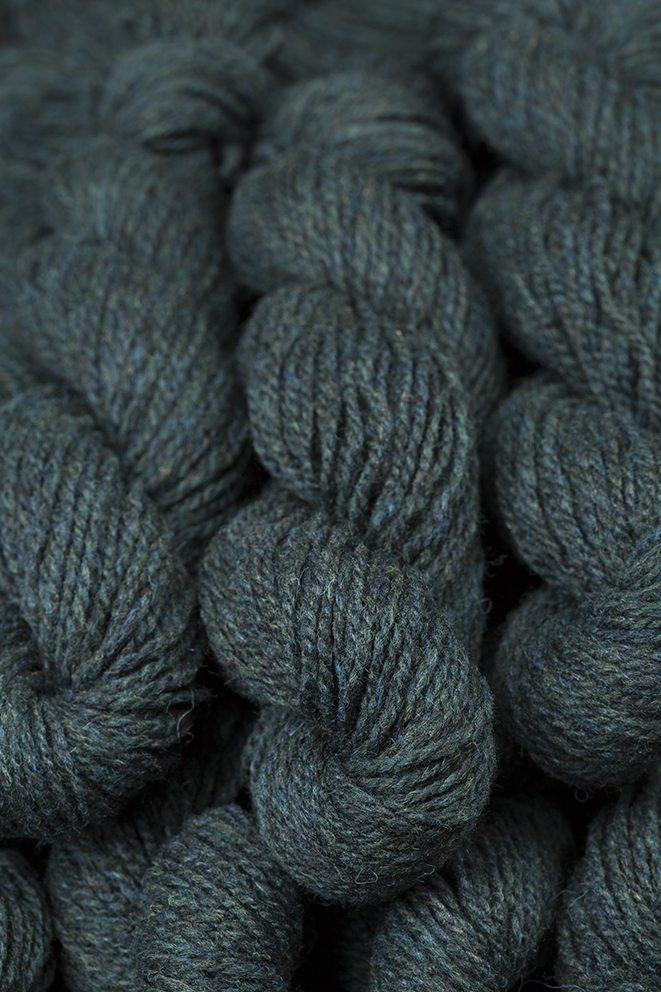
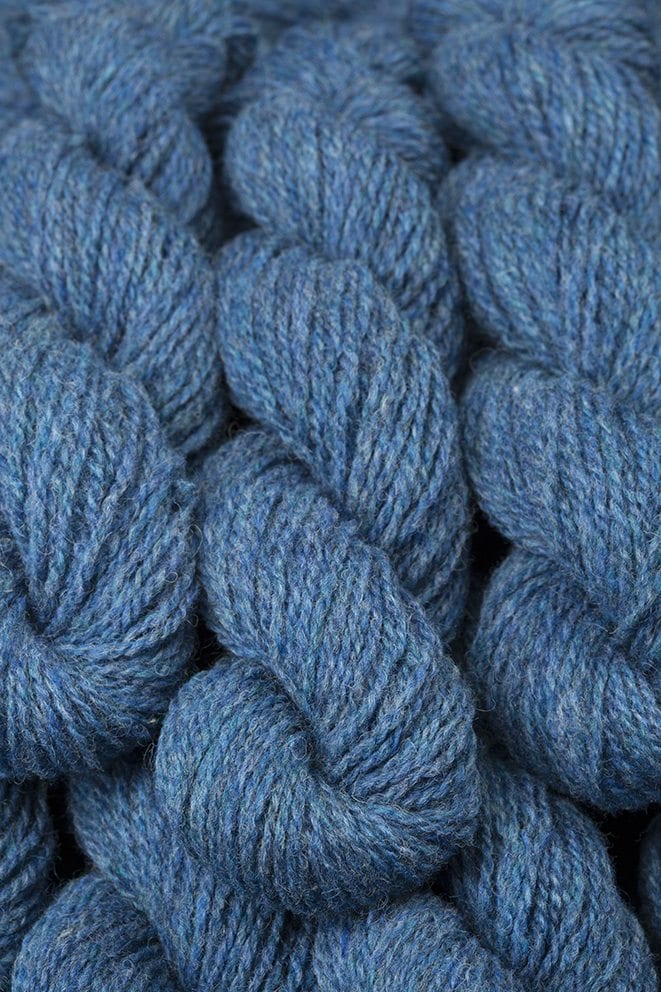
My favourite place to see Shearwaters is from the deck of the ferry, Hebridean Isles, which plies between Tarbert in Harris and Uig on the Isle of Skye. The birds put on a spectacular aerobatic display over the waters of the Sound of Harris, sometimes clipping the waves with their wings. Our Shearwater colour is based upon these calmer coastal waters. Misty blues and greys blend perfectly with turquoise and lilacs to create a beautiful shade that mirrors the cliffside waters which are so much a feature of the Hebrides.

HOME | NEEDLEPOINT | ABOUT | DESIGNS | SUPPORT | DRIFTNET | ORDERING | COLOUR STORIES

Copyright © 2001-2010 Virtual Yarns. Site by ReefNet.